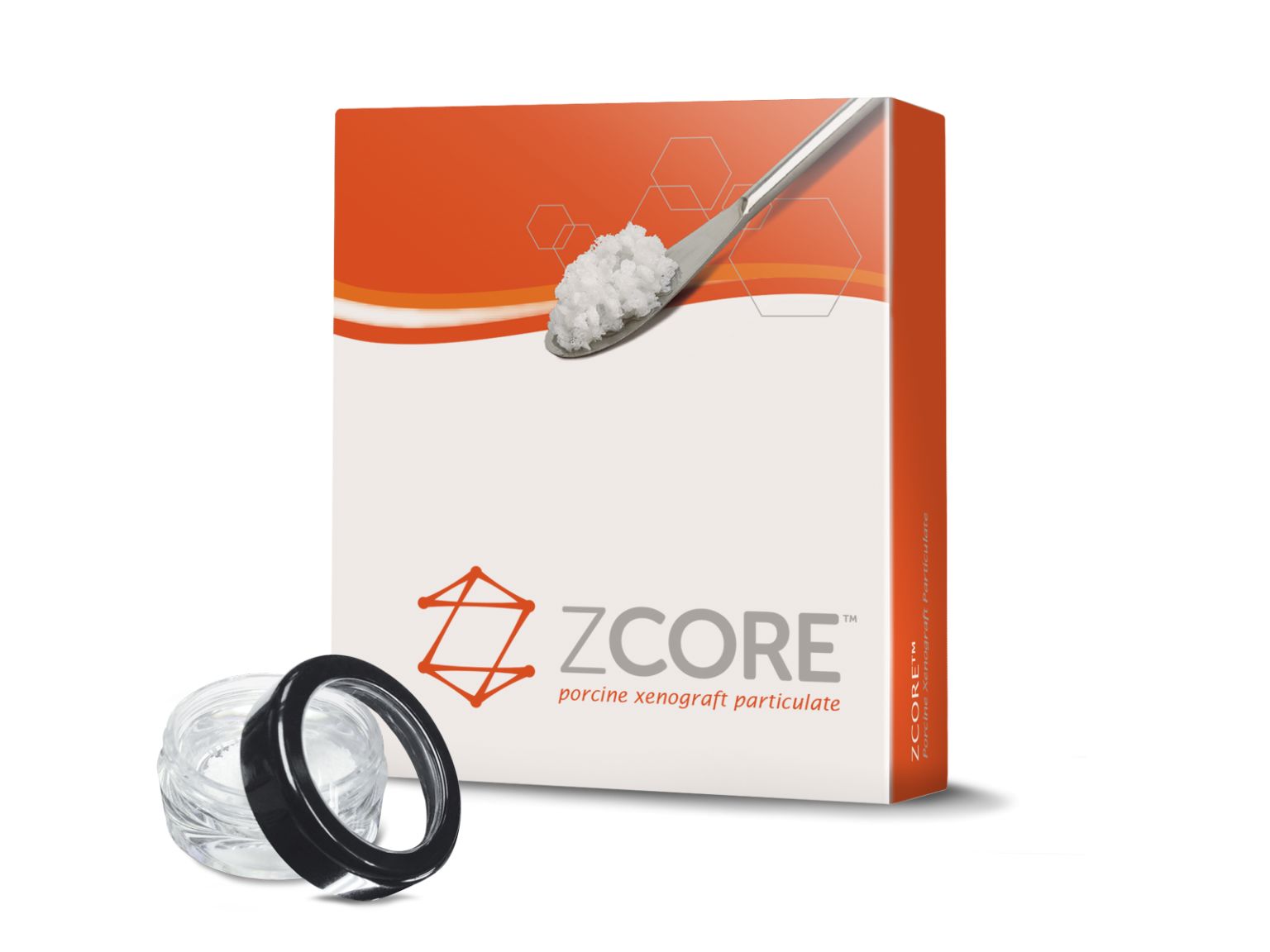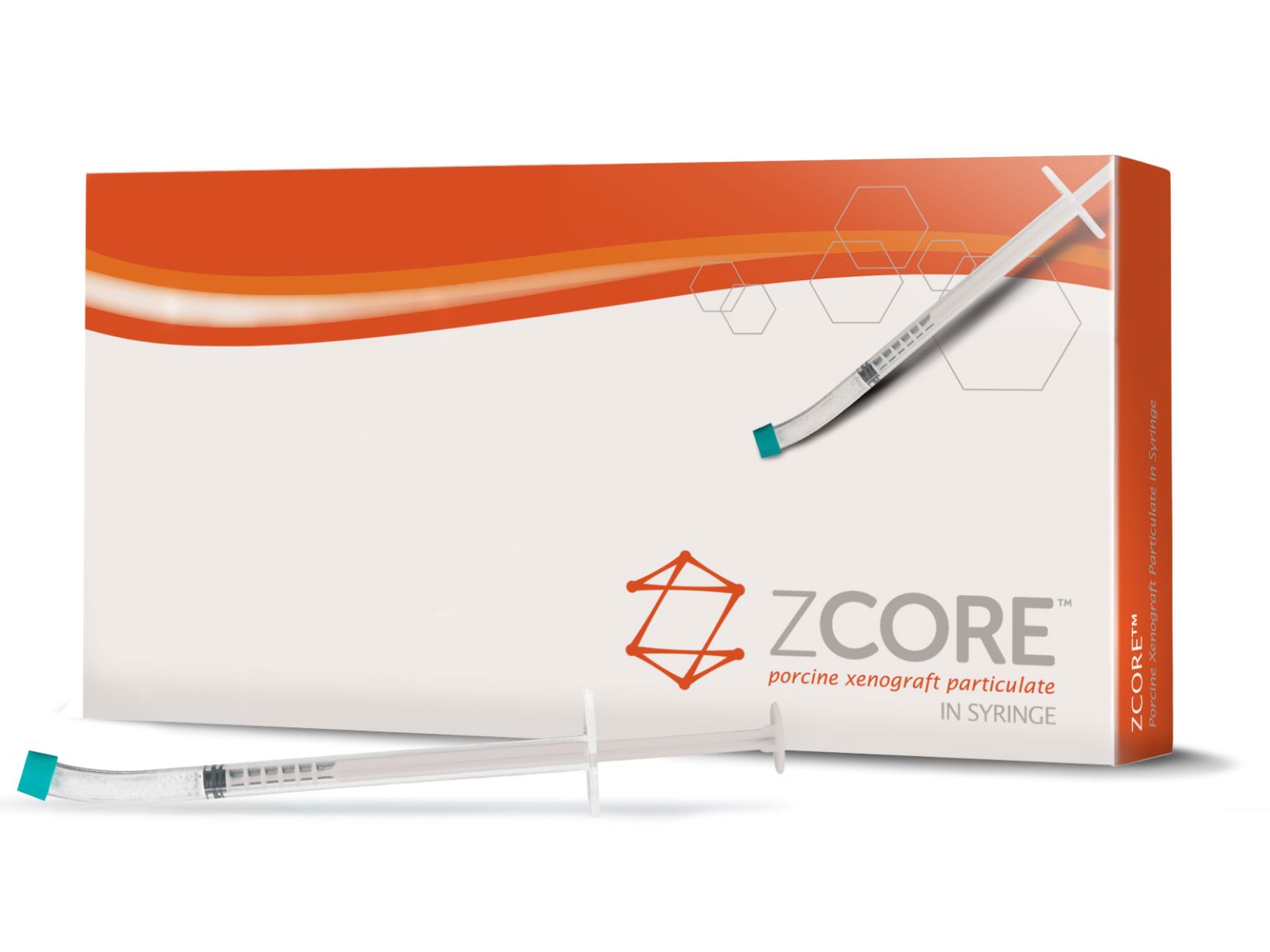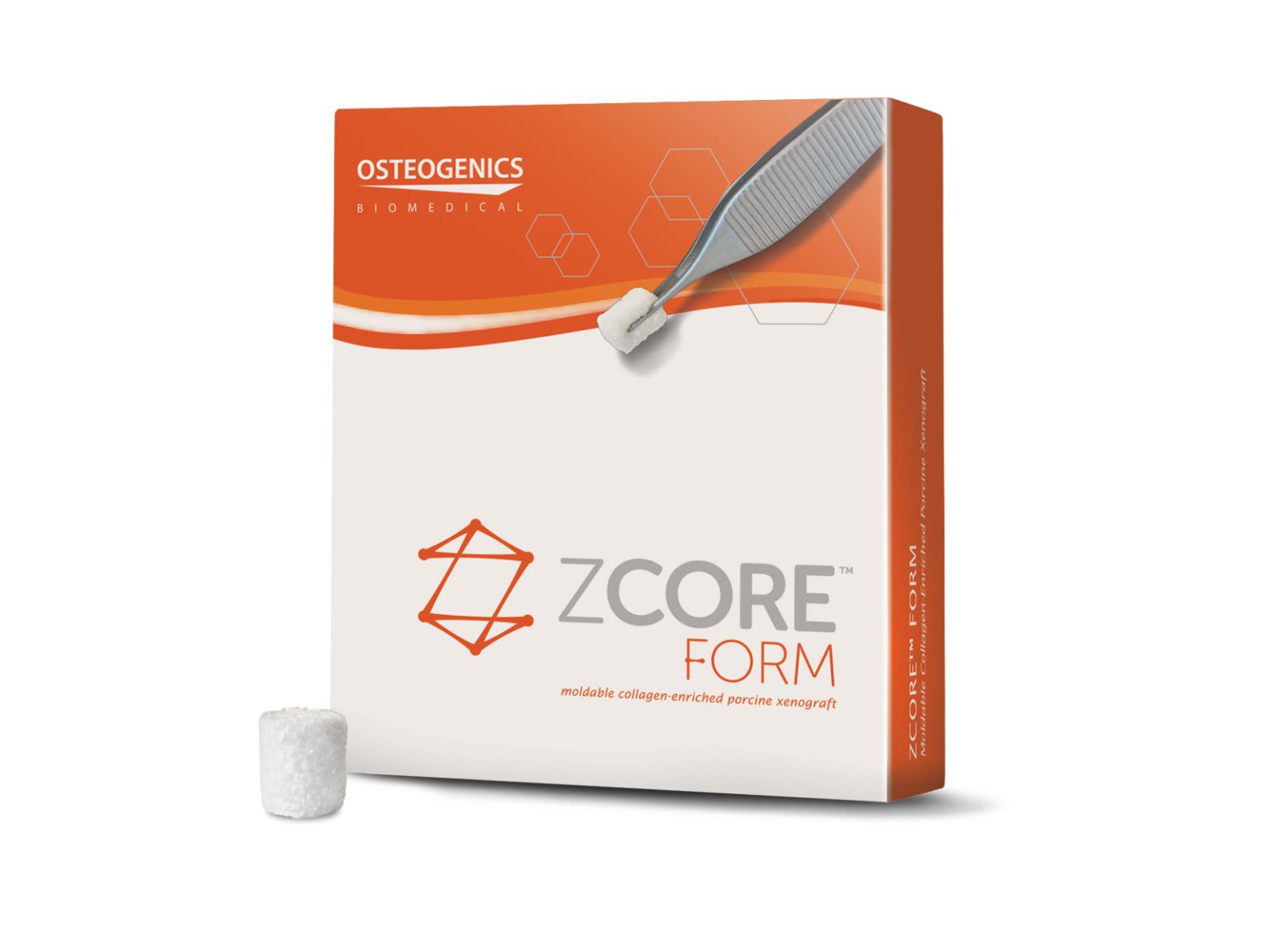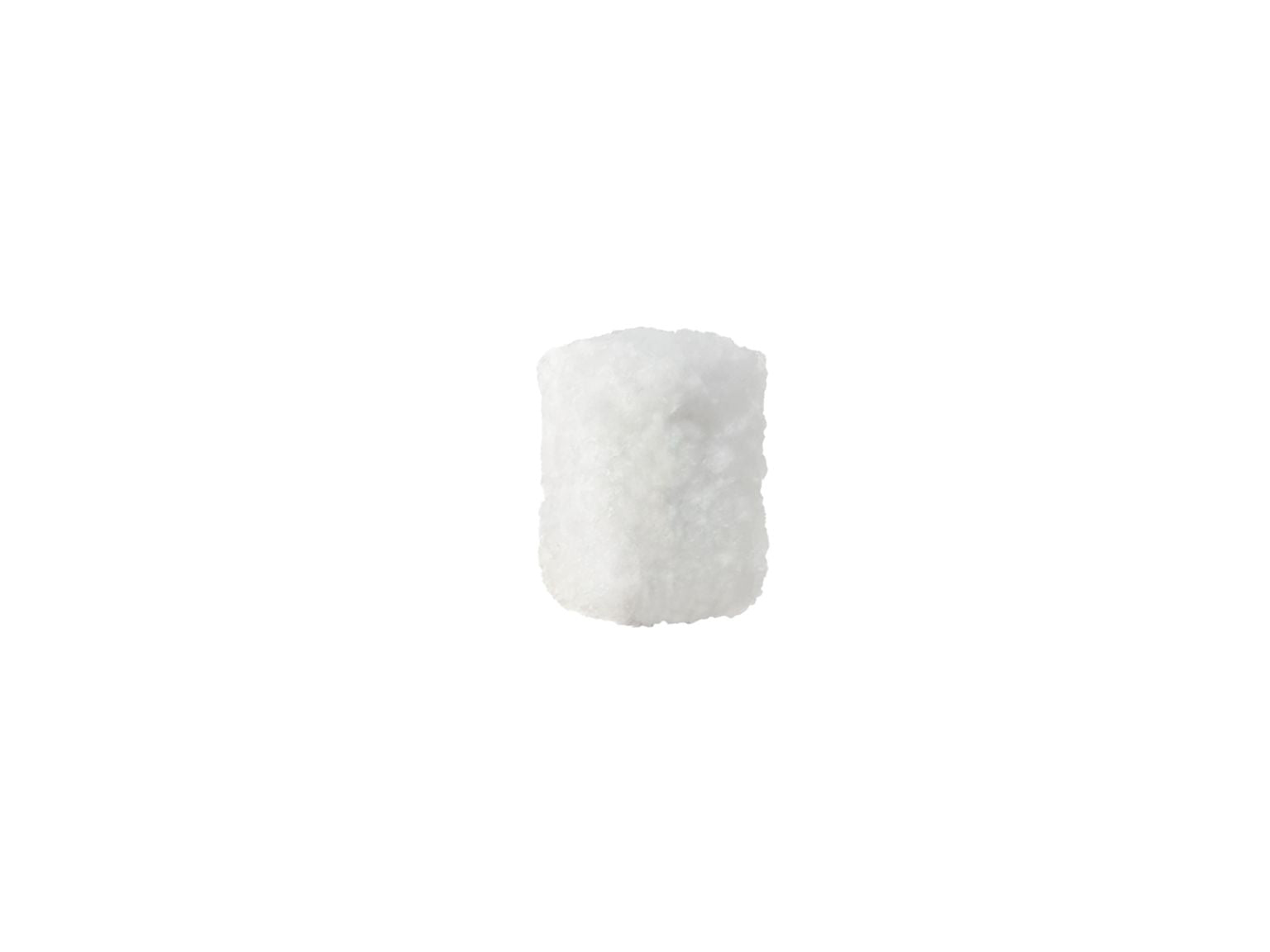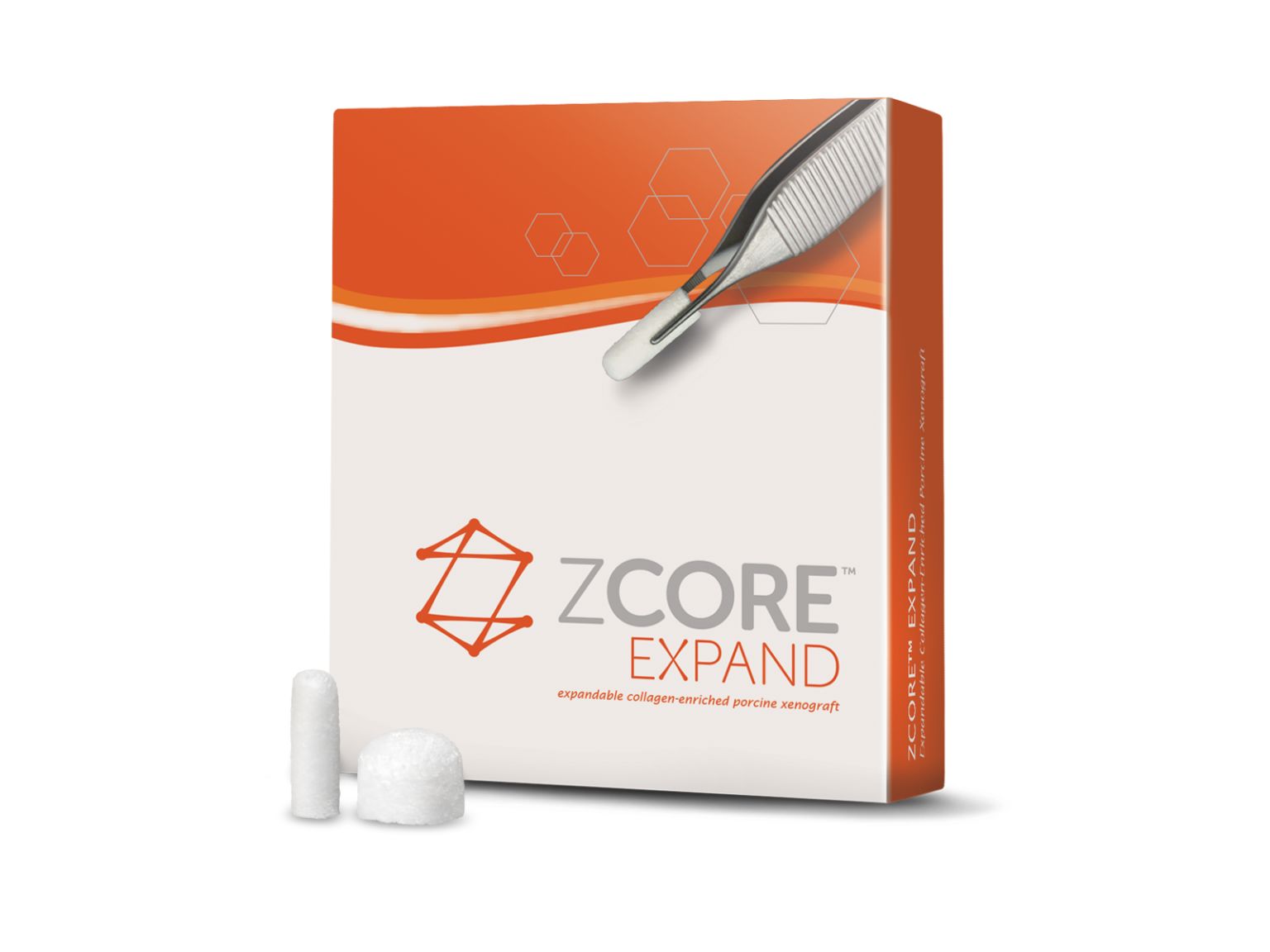
Xenograft bone materials are derived from natural animal bone sources — most commonly bovine — and processed to remove organic components while preserving the mineral scaffold. The result is a highly biocompatible, osteoconductive graft material that supports new bone formation and maintains structural volume throughout the healing process.
Xenografts are a widely used and clinically validated option for procedures where autogenous bone is limited or a secondary harvest site is not desired.
Common Clinical Applications
- Socket preservation following tooth extraction
- Ridge augmentation for implant site development
- Sinus floor elevation (lateral and crestal approaches)
- Guided bone regeneration (GBR) in combination with barrier membranes
- Peri-implant defect management
Why Choose Xenograft?
- Osteoconductive Scaffold — Provides a natural mineral framework that guides new bone ingrowth
- Volume Maintenance — Slow resorption rate helps preserve ridge dimensions during healing
- Clinically Validated — Extensive long-term evidence supporting predictable outcomes
- No Donor Site Morbidity — Eliminates the need for autogenous bone harvest
- Versatile Particle Sizes — Available in granule sizes suited to different defect morphologies